


does dave roberts chew tobacco Baseball continues to toughen up on tobacco
Marsoni
M251S
Get it in 3 business days with 1 day shipping.
Friday, May 29
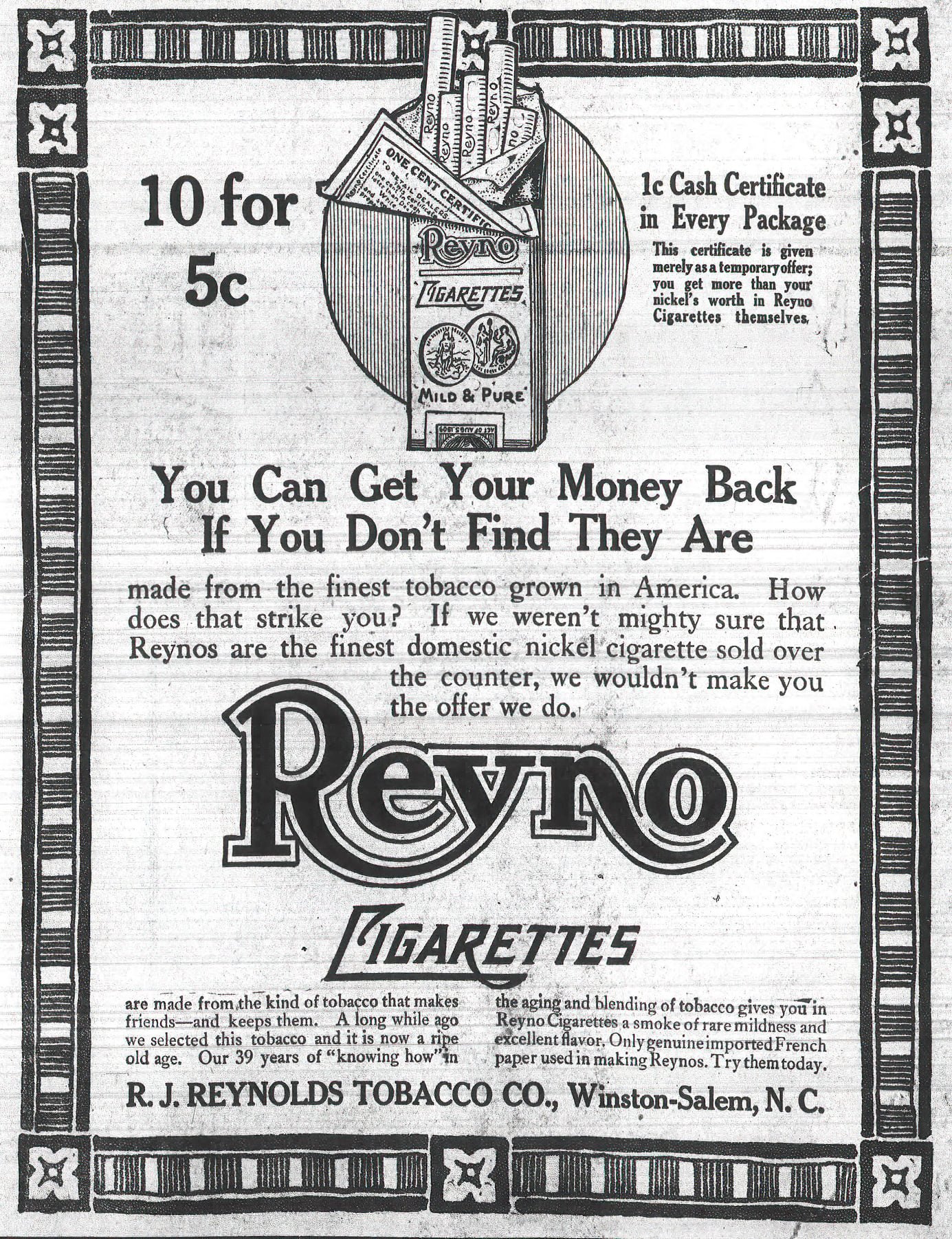
Chew Review : Tennessee Chew, Moonshine Blend YouTube Amazon.com: How to Quit Chewing Tobacco For Good: Your Guide to Quit Dipping eBook : Fosio, Donald: Kindle Store For it first 37 years, 1875 1912, the R.J. Reynolds Tobacco Company manufactured only chewing and pipe tobacco. In 1912, RJR test marketed its first cigarettes, four brands: Camel, Red Kamel, Osman and People smoking cigarettes at public place outdoors, closeup. Space for text Stock Photo Alamy A Woman Uses Chewing Tobacco. Stock Image Image of addiction, piece: 422643809
Quick Dispatch:
Your does dave roberts chew tobacco Baseball continues to toughen up on tobacco orders ship within 1-2 business days.
Delivery Options:
- Standard: 3-7 business days
- Fast: 2-3 business days
- Express: 1-2 business days
Order Tracking:
You'll receive a tracking link by email once your does dave roberts chew tobacco Baseball continues to toughen up on tobacco ships.
Need Help?
Questions about does dave roberts chew tobacco Baseball continues to toughen up on tobacco, sizing, or delivery? We're just an email away.
Live Shipping Estimates:
Enter your location at checkout to see available shipping methods and costs for does dave roberts chew tobacco Baseball continues to toughen up on tobacco in your area.
Get Shipping Estimates
Exchange/Return Notes
- We offer a 30-day return/exchange service after receiving.
- Final sale items are not eligible for returns or exchanges.
- To process your return/exchange, please contact us at [email protected]
- Please click here for more details>>> Return & Exchange Policy
You may also like
4.3 ★★★★★
Based on 77 reviews
Sort
Product Reviews
★★★★★ 2
A masterfully falsified history of the late Soviet developments
Format: Paperback
This book represents academic propaganda, providing some interesting insights into important events. Some details are true, but some crucial details are omitted. It represents a sanitized version of Russia's modern history. It provides misleading information about Gorbachev's constitutional reforms, aimed at partitioning of 15 republics into 53 confederation entities. Originally, the targeted republics were Kazakhstan, Moldova, Georgia, Azerbaijan, Ukraine, etc. Those conflicts were manufactured by the Soviet center to discredit "nationalists," facilitate the partition of national republics, and grant Moscow right to protect ethnic minorities. According to Starovoitova, Bakatin, Yakovlev, and a few other primary sources, the Soviet security services led special operations in the Caucasus and Central Asia to provoke those conflicts. Zubok avoids citing those parts. Using the imperial approach of "divide and rule," Moscow attempted to become a peacekeeper in the conflicts it created between different ethnicity.
In addition to fragmenting the republics with well-developed national identities, Gorbachev's new constitution would revoke their right to leave the USSR, written in Lenin's 1922 Constitution (Shakhnazarov, 1992). Zubok does not explain any of it. His book is an effort to protect the truth and conceal facts with Russian myths and lies about nationalism (also referred to as Nazism). Notably, Zubok does not recognize non-Russian republics and describes them as "territories." He mentions Pitsunda as a resort on the Black Sea, not as Georgia. For lying about the genocidal ethnic cleansing conducted by the Russian military against the Georgian population of Abkhazia, Zubok owes apology to the victims of conflicts and wars initiated by Gorbachev and carried on by Yeltsin.
The story about "the hardliners coup against Gorbachev" is also a big fat lie. American scholars, Amy Knight, John Dunlop, and William Odom provide more accurate insights. For Russian sources, read Marshal Shaposhnikov or Aleksandr Lebed's memoirs (1995) and listen to Gennady Yanaev's interview (2009). According to Mitrokhin archives (original), the August 1991 coup was an active measure the KGB developed per Gorbachev's request. The so-called coup was part of Gorbachev's constitutional reform, which would lead to the removal of unfriendly leaders (including Yeltsin) from the republics. It failed because the Soviet military brass, foremost Pavel Grachev, had defected to Yeltsin earlier in 1991. When you read a book by a seasoned Russian propagandist, like Zubok or Trenin, take it with a grain of salt, because it will always contain a mix of lies and truth.
WAS THIS REVIEW HELPFUL?YesReportShare
Reviewed in the United States on March 16, 2023
★★★★★ 5
An important work and worth the time.
Format: Hardcover
Real scholarship addressing difficult but important topics in history, economic history, and development. What every economist should read to think much more deeply about how institutions, culture, and human agency interact. At the same time, scholars like the three co-authors demonstrate that there still remains the possibility of doing work that isn’t larded with ideological or activist posturing. Highly recommended.
WAS THIS REVIEW HELPFUL?YesReportShare
Reviewed in the United States on May 5, 2026
★★★★★ 5
Excellent research and well written by a Noble Laureate
Format: Hardcover
Excellent research and well written.
WAS THIS REVIEW HELPFUL?YesReportShare
Reviewed in the United States on December 10, 2025
★★★★★ 2
should have been shorter
Format: Hardcover
really interesting approach - but far too wordy
WAS THIS REVIEW HELPFUL?YesReportShare
Reviewed in the United States on February 3, 2026
★★★★★ 5
6 year old loves these books
Format: Paperback
One of my son’s favorite book series.
WAS THIS REVIEW HELPFUL?YesReportShare
Reviewed in the United States on May 1, 2026